Overview
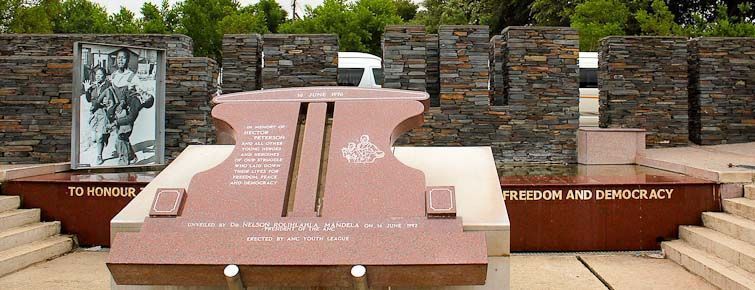
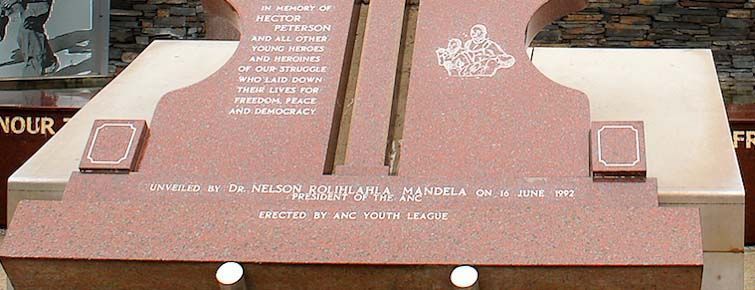
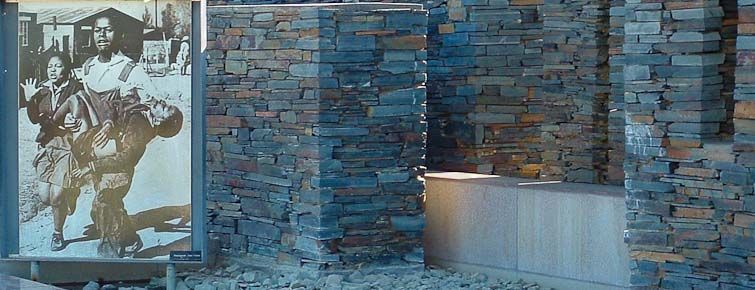
#Hector Pieterson Memorial and Museum After the incarceration of Nelson Mandela and his comrades the struggle for freedom lost some of its momentum. In the late 1960’s Steve Biko took initiative in founding the Black Consciousness Movement among students. This led to growing resentment among the black youth against the system of apartheid. In the 1970’s the government decreed that a third of all school subjects should be taught in Afrikaans which was perceived as the language of the oppressor. Ultimately the pupils in Soweto organised a protest march which took place on 16 June 1976. The police responded with sharp ammunition and a large number of pupils were killed of which Hector Pieterson was the first. The museum that commemorates this, was named after him.
The massacre of 16 June 1976 sparked huge protests of learners all over the country and gave new impetus to the struggle for freedom. Many historians see the youth revolt of 16 June 1976 as a turning point in the struggle.
Tours that visit Hector Pieterson Memorial and Museum
Things to see
Attraction
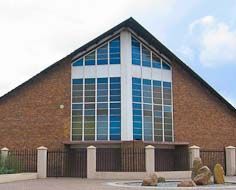
Regina Mundi Church
##The Regina Mundi Church The Regina Mundi Church in Soweto is one of the major symbols of the struggle against apartheid in the “old” South Africa. The church that can accommodate up to 7000 people was a venue for meetings aimed at encouraging the residents of Soweto to oppose the apartheid regime.
1 tour visit here
City
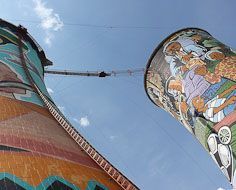
Soweto
##Soweto Soweto, situated Southwest of Johannesburg, is South Africa’s largest “black township.” It is a very popular tourist attraction in Johannesburg. In Soweto you find a fascinating mix of cultures from all over Africa, a friendly atmosphere and a vibe of people living within the freedom of the “new South Africa”.
1 tour visit here
Attraction
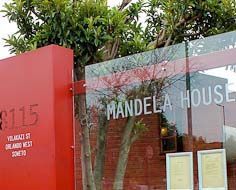
Vilakazi Street
##Vilakazi Street Vilakazi Street in Soweto, South Africa, is the only street in the world that boasts two Nobel peace prize laureates to have lived in the same street. The house of former president Mandela has since been converted into a museum. Bishop Tutu still owns his house and occasionally uses it.
1 tour visit here
Gallery